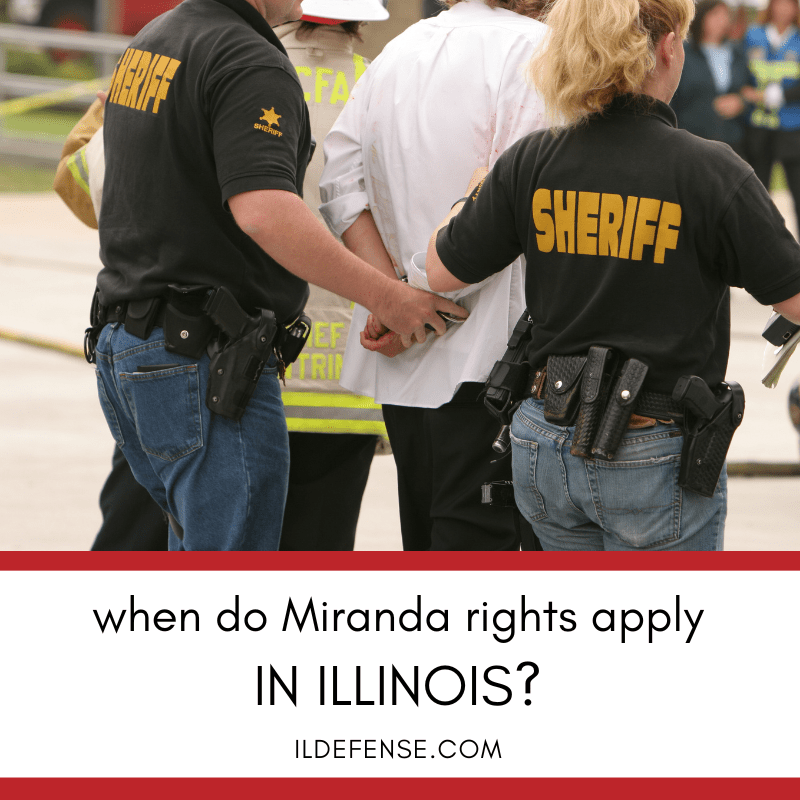
Most people know the Miranda warning from TV.
“You have the right to remain silent. Anything you say can be used against you. You have the right to an attorney…”
What shows don’t explain is when those rights actually apply and when they don’t. That gap causes a lot of confusion and can lead people to say things they didn’t need to say.
Miranda Rights In Illinois: When They Apply And Why They’re Often Misunderstood
Miranda rights don’t work the way most people think they do. Police don’t have to read them in every interaction, and failing to read them doesn’t automatically throw out a case. This guide explains the following:
• What Miranda rights actually are.
• When police must read Miranda warnings.
• Situations where Miranda does not apply.
• How Miranda affects statements in criminal cases.
• Why misunderstandings about Miranda cause problems.
Here’s a closer look at each.
What Miranda Rights Actually Are
Miranda rights come from a U.S. Supreme Court decision, not a statute. These rights protect you from self-incrimination during certain police questioning. They are not a general requirement for every police interaction.
Miranda warnings matter only when two things happen at the same time. Police must place you in custody, and police must question you. If one of those is missing, Miranda usually doesn’t apply.
When Police Must Read Miranda Warnings
Police must read Miranda warnings when they question you while you’re in custody. Custody means a reasonable person in your position would not feel free to leave. That can happen during an arrest or in other situations that feel just as restrictive.
Once police read Miranda, you can choose to stay silent or ask for a lawyer. If you clearly invoke those rights, police must stop questioning you.
When Miranda Does Not Apply
Miranda does not apply during every police interaction. Officers can ask questions during traffic stops, casual conversations or initial investigations without reading rights. Police can also ask routine booking questions without Miranda warnings.
This often surprises people. Someone may say things voluntarily, thinking the lack of a Miranda warning protects them. It doesn’t.
How Statements Get Used Without Miranda
Statements made without Miranda can still come into evidence if the situation didn’t involve custodial interrogation. Police often rely on spontaneous statements, small talk or explanations people offer on their own.
These statements can support charges ranging from a misdemeanor to a felony. Once statements exist, prosecutors usually try to build the case around them.
What Happens If Police Violate Miranda
If police question you in custody without reading Miranda, your statements may be suppressed. That means prosecutors can’t use those statements in their case-in-chief. Suppression doesn’t automatically dismiss charges. It only affects specific evidence.
Courts look closely at timing, wording and context. Small details often decide whether Miranda applies.
Why Miranda Gets Misunderstood So Often
TV and movies make it look like Miranda is a magic shield. In real life, it’s narrow and technical. Police don’t have to help you avoid incriminating yourself. They can listen while you talk.
This misunderstanding comes up often in cases involving driving behavior, including a DUI, where people talk freely before officers ever make an arrest.
Why Knowing Your Rights Matters Early
Once you speak, you can’t take words back. Early statements often shape charging decisions and negotiations. Knowing when Miranda applies helps you protect yourself instead of relying on myths.
A Chicago criminal defense lawyer can review whether police handled questioning properly and whether Miranda violations exist. That review often changes how a case moves forward.
Courts apply Illinois law along with constitutional standards when deciding whether statements come in or stay out.
FAQ About Miranda Rights In Illinois
Check out these commonly asked questions about Miranda rights in Illinois. If you don’t see your question here, please call our office and we’ll find you the answers you need.
Do Police Have To Read Miranda When They Arrest Me?
Not always. Police only need to read Miranda if they plan to question you while you’re in custody.
Does A Case Get Dismissed If Police Forget Miranda?
No. A Miranda violation affects statements, not the entire case.
Can I Invoke My Rights Before Police Read Miranda?
Yes. You can say you want to remain silent or want a lawyer at any time.
Does Silence Automatically Invoke Miranda Rights?
No. You must clearly state that you’re invoking your right to remain silent or asking for a lawyer.
Should I Answer Police Questions If I’m Innocent?
Innocence doesn’t protect you from misinterpretation. It’s usually best to speak with a lawyer before answering questions.
Miranda rights protect you in specific situations, not every interaction with police. Understanding when they apply helps you avoid common mistakes and puts you in a better position if questioning becomes part of your case.
Do You Need to Talk to an Attorney?
If you’ve been accused of a crime, we may be able to help you – and don’t worry: It’s completely confidential. Call us at 847-920-4540 or fill out the form below to schedule your free, private consultation with an experienced and skilled Chicago criminal defense attorney now.
Contact Us
"*" indicates required fields