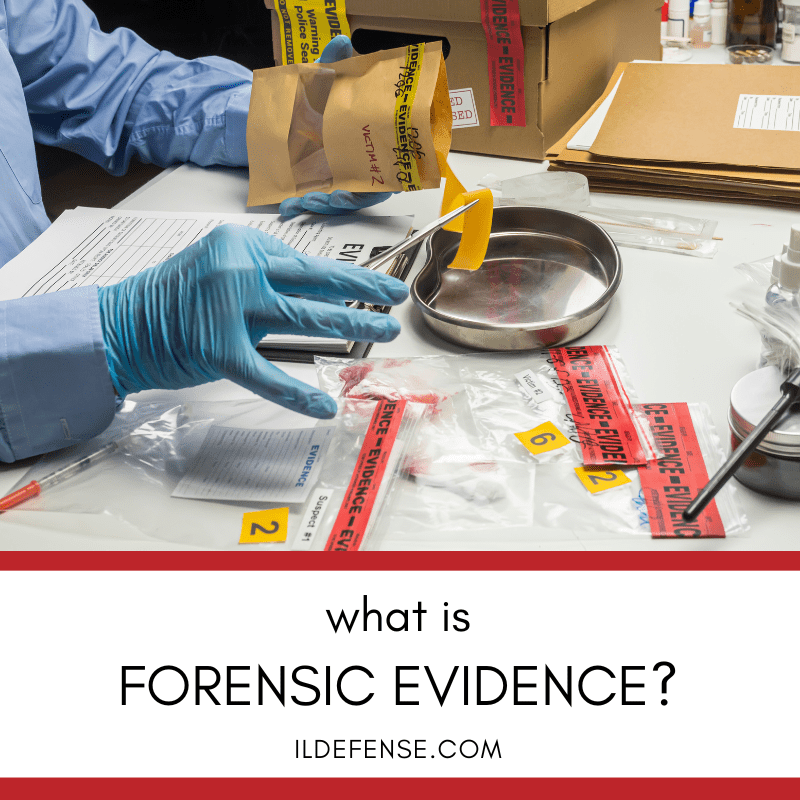
Forensic evidence often plays a significant role in criminal trials in Illinois. It can provide scientific and technical proof to support the prosecution’s case or help the defense challenge allegations. Whether you’re facing a misdemeanor or a felony, forensic evidence may include DNA, fingerprints, ballistics, or digital data, depending on the nature of the case. Under Illinois law, forensic evidence must meet specific standards of reliability and admissibility to be used in court. Understanding how this evidence works and how it can be scrutinized is key to preparing a strong defense. A Chicago criminal defense lawyer may be able to evaluate the forensic evidence in your case and identify ways to challenge it.
What is Forensic Evidence in a Criminal Trial in Illinois?
This guide explains the following:
- What forensic evidence is and how it’s used in Illinois criminal trials
- Common types of forensic evidence presented in court
- Standards for the admissibility of forensic evidence
- Steps to take if forensic evidence is being used against you
- How a lawyer may help you address forensic evidence
Here’s an overview of what to expect when forensic evidence is introduced in a criminal trial:
- Forensic evidence is common in Illinois trials: DNA, fingerprints, and other scientific methods often support the prosecution’s case.
- The evidence must meet legal standards: Forensic evidence must be relevant, reliable, and properly handled.
- Errors in collection or analysis can occur: Mistakes in the handling of forensic evidence may affect its reliability.
- Forensic evidence can be challenged: The defense can question the validity of the methods or findings presented.
Now, let’s take a closer look at each of these points.
What Forensic Evidence Is and How It’s Used in Illinois Criminal Trials
Forensic evidence refers to scientific methods and techniques used to analyze physical or digital evidence in a criminal case. This type of evidence is often presented to prove elements of a crime, link a suspect to a crime scene, or exonerate someone accused of wrongdoing.
In Illinois, forensic evidence is commonly used in both misdemeanor and felony trials. For example, prosecutors may present DNA evidence to show a defendant’s presence at a crime scene, while defense attorneys might use the same technology to disprove allegations.
Common Types of Forensic Evidence Presented in Court
Forensic evidence can take many forms, depending on the nature of the case. Common examples include:
- DNA analysis: Used to match biological material, such as blood or hair, to individuals.
- Fingerprints: Often found on physical objects like weapons or surfaces at a crime scene.
- Ballistics: Examines firearms and ammunition to determine their connection to a crime.
- Digital forensics: Analyzes electronic data, such as emails, texts, or GPS records.
- Toxicology reports: Identifies drugs, alcohol, or other substances in a person’s system.
Each type of forensic evidence requires specialized expertise and proper procedures to ensure reliability.
Standards for the Admissibility of Forensic Evidence
Under Illinois law, forensic evidence must meet certain standards to be admissible in court. These standards include:
- Relevance: The evidence must directly relate to the facts of the case.
- Reliability: The methods used to collect and analyze the evidence must be scientifically valid.
- Proper handling: The chain of custody must be maintained to prevent contamination or tampering.
If forensic evidence fails to meet these standards, the defense can argue for its exclusion from the trial.
Steps to Take if Forensic Evidence Is Being Used Against You
If forensic evidence is part of the prosecution’s case, it’s important to prepare carefully. Start by requesting access to all evidence and reports related to the case. Reviewing this information can help you understand the role forensic evidence plays and identify potential weaknesses.
Additionally, gather any records or witnesses that may counter the forensic evidence. For instance, if DNA is presented as proof of your involvement, consider seeking expert analysis to challenge the findings or the methods used to obtain them.
Lastly, consulting with an attorney may provide valuable insights into the forensic evidence and how to address it during your defense.
How Legal Representation May Help With Forensic Evidence
A lawyer may assist you in handling forensic evidence by:
- Analyzing the evidence for errors: Your lawyer can examine the collection, storage, and analysis processes to identify mistakes or contamination.
- Questioning the reliability of methods: They may challenge the scientific validity of the techniques used to produce the evidence.
- Presenting expert witnesses: A lawyer can call experts to provide alternative interpretations or dispute the findings.
- Cross-examining forensic analysts: Your attorney may highlight inconsistencies or biases in the testimony of those who handled the evidence.
Through these strategies, a lawyer may help weaken the impact of forensic evidence on your case.
FAQ About Forensic Evidence in Illinois Criminal Trials
Check out these commonly asked questions about forensic evidence in Illinois criminal trials. If you don’t see your question here, please call our office and we’ll find you the answers you need.
Is Forensic Evidence Always Reliable?
No. Forensic evidence is only as reliable as the methods and processes used to collect and analyze it. Errors, contamination, or outdated techniques can lead to inaccurate results.
Can Forensic Evidence Be Challenged in Court?
Yes. The defense can question the validity of forensic evidence by pointing out flaws in the collection, handling, or analysis.
What Happens If the Chain of Custody Is Broken?
A break in the chain of custody can cast doubt on the reliability of the evidence, and the defense may argue for its exclusion.
Are All Types of Forensic Evidence Treated Equally?
No. Some types of forensic evidence, such as DNA, are considered highly reliable, while others, like eyewitness identifications or handwriting analysis, may be more subjective.
How Can a Lawyer Help Challenge Forensic Evidence?
A lawyer can analyze the evidence, consult with experts, and present arguments to question its admissibility or reliability in court.
Forensic evidence can be a powerful tool in Illinois criminal trials, but it is not without limitations. Understanding your rights under Illinois law and addressing forensic evidence carefully may improve the outcome of your case. Consulting with an experienced attorney could provide you with strategies to handle this type of evidence effectively.
Do You Need to Talk to an Attorney?
If you’ve been accused of a crime, we may be able to help you – and don’t worry: It’s completely confidential. Call us at 847-920-4540 or fill out the form below to schedule your free, private consultation with an experienced and skilled Chicago criminal defense attorney now.
Contact Us
"*" indicates required fields