

Being charged with a crime can turn your routine upside down fast. You might feel stressed confused or unsure about what comes next especially if this is your first time in criminal court. Your first court date matters because it sets the tone for everything that follows and helps you understand where your case goes…
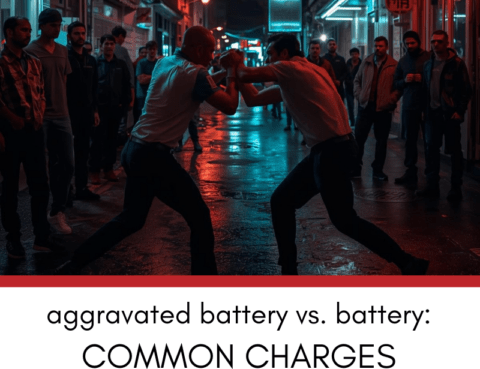
People often hear the word “battery” and assume it always means the same thing. In Illinois, it doesn’t. The difference between battery and aggravated battery can change how serious a case is, how long it lasts and what’s at stake for your future. Understanding why police chose one charge over the other helps you make…

When someone is convicted of a crime in Illinois, the judge has to decide what sentence is appropriate. Beyond the facts of the crime itself, courts look at a range of personal factors: criminal history, the impact on victims, and the defendant’s character. One increasingly important factor is the role of mental health. Judges often…

Self-checkout lanes were designed to make shopping quicker and more convenient, but they have also created new legal challenges. In Illinois, prosecutors increasingly treat self-checkout incidents as theft, whether the shopper intended to steal or simply made a mistake. For college students, working parents, or anyone in a rush, the temptation or error of self-scanning…

When an Illinois college student is accused of a crime, the stakes are often double. A single incident can trigger both a criminal court case and a campus disciplinary process. While the two systems operate independently, what happens in one can affect the other. Students may find themselves navigating not only the criminal justice system…

Across Illinois, Ring doorbells and other home surveillance systems have become as common as the porch lights they often sit beside. These devices capture everything from package thefts to neighborhood scuffles. Police and prosecutors increasingly seek out this footage, using it to identify suspects, build timelines, and support charges. But how reliable is doorbell video…

Police dogs are powerful tools in Illinois law enforcement. They can detect drugs, weapons, and even explosives, and their alerts often give police the legal justification to search a vehicle, home, or person. But even highly skilled police K9s aren’t infallible. Handlers make mistakes, dogs can be influenced, and sometimes K-9 units alert even when…

One of the most important things to remember when facing police questioning in Illinois is simple: Do not talk without a lawyer. Too many people believe that if they are innocent, they have nothing to fear from explaining themselves. In reality, statements made to police are rarely taken at face value. They are dissected, recorded,…
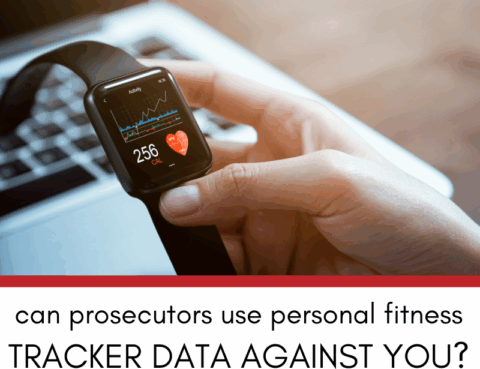
Smartwatches, fitness bands, and health apps have become intertwined with daily life, tracking our steps, heart rate, sleep patterns, and even location. These devices are convenience tools—but they also generate personal data. In Illinois, prosecutors have begun seeking this data in criminal cases, arguing it can reveal whereabouts, physical exertion, or even mood. Yet using…

Social media drives today’s teenage culture—spawning viral dances, pranks, challenges and memes that spread nationwide in hours. Many of these challenges appear harmless, silly, even empowering. Yet increasingly, teens in Illinois are finding themselves drawn into serious legal consequences for chasing likes. What begins as harmless fun can turn into criminal charges, juvenile hearings, or…